Spend Less, Live More Intentionally

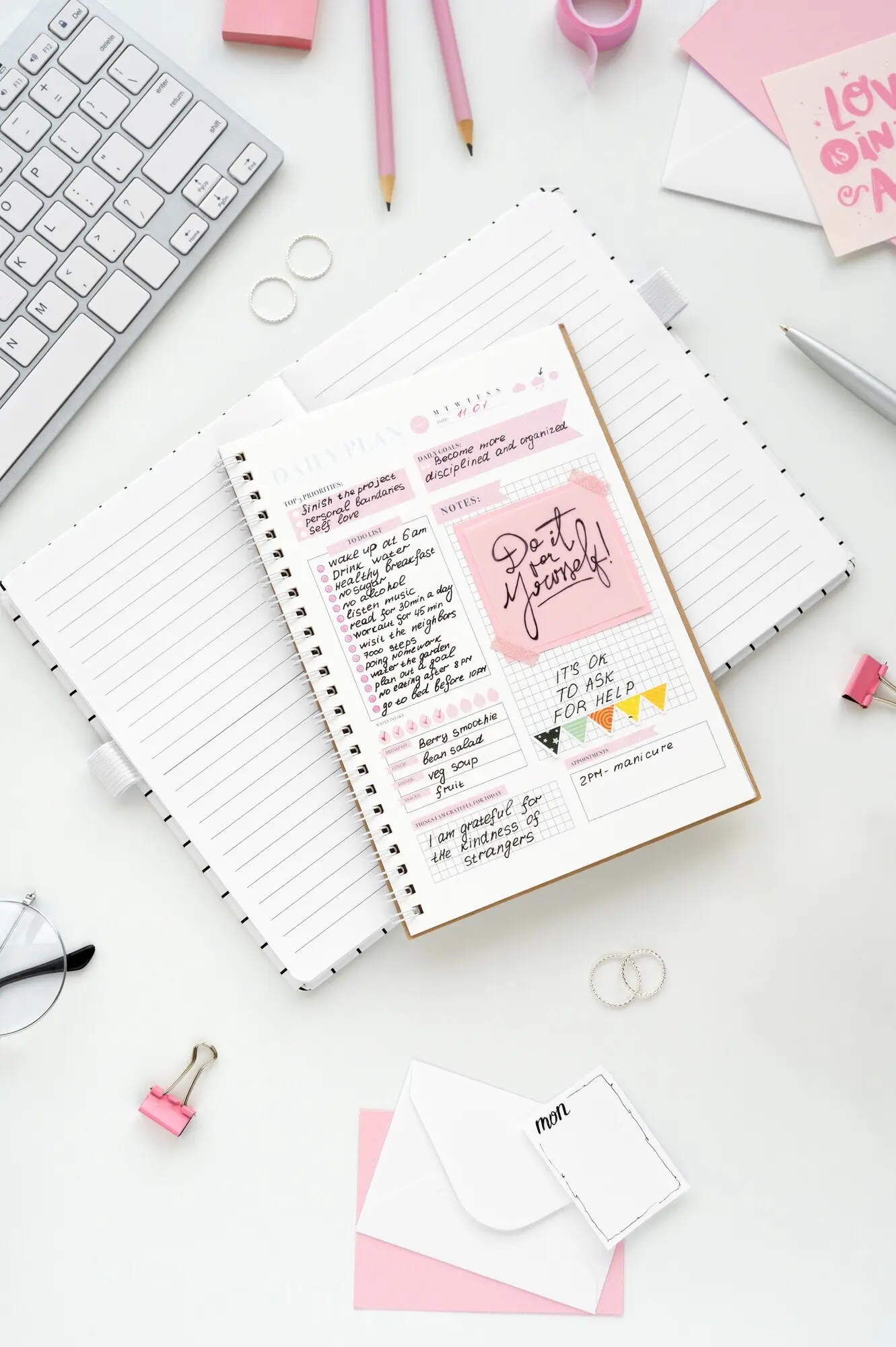
Today we explore Minimalism and Stoic Frugality—spending less with purpose, deciding deliberately, and letting values guide every purchase. You will find practical systems, reflective questions, and lived stories that replace clutter with clarity. Together, we will practice enoughness, build resilient habits, and discover how purposeful restraint opens time, attention, and financial margin for what genuinely matters.

Living With Less, Choosing With More

Begin by reframing possessions as tools instead of trophies. A quiet life grows when we ask what each purchase costs in hours, focus, and future choices. Through small experiments and gentle curiosity, subtraction reveals hidden abundance. The fewer decisions we face each day, the more energy we reclaim for relationships, creativity, and service that refills us rather than depletes our spirits.

Systems That Keep Spending Intentional

Purpose grows sturdier when supported by clear, forgiving systems. Build gentle friction before buying, and add helpful automations afterward. Use checklists, recurring calendar reminders, and simple rules that prevent decision fatigue on hard days. Systems are kindness to future you, protecting priorities when emotions surge, energy dips, or social pressure whispers. Over time, small safeguards preserve focus and restore calm.

Home as a Quiet Tool, Not a Museum

Let rooms earn their purpose through ease, not ornament. Keep counters open so preparing food is simple, and chore paths short so daily upkeep feels lighter. Donate duplicates, surface the most-used tools, and store seldom-used items out of sight. Empty space is not wasted; it is a restful feature. It lowers anxiety, reveals priorities, and invites unhurried conversation.

Room-by-Room Value Audit

Walk through each room with a clipboard and honest curiosity. Note which items serve daily rituals and which only stand as reminders of postponed intentions. Keep what moves your routines forward and rehome what does not. This audit, repeated seasonally, prevents backsliding, reduces cleaning time, and ensures your environment continually supports the life you are actually living now.

The Joy of Empty Space

Silence between notes makes music sing; open space between belongings does the same for living. An empty shelf breathes. A clear table invites meals, crafts, and conversation. Space is potential, not absence. Curate it like a garden path, leaving room to notice sunlight, morning coffee, or a child’s drawing. Calm widens when we let rooms rest without constant decoration.

Capsule Kitchen, Capsule Wardrobe

Limit choices to reliable, versatile basics that mix and match easily. A capsule kitchen trims waste and stress by standardizing staples, reducing decision fatigue at 6 p.m. A capsule wardrobe cuts morning overwhelm and curbs impulse trends. Together they save money, support consistent routines, and reward care over novelty, proving that well-chosen essentials outperform overflowing drawers every ordinary day.

From FOMO to JOMO

Shift from fear of missing out to the joy of missing out by planning nourishing alternatives before temptation hits. Save a list of free walks, books, or calls with friends. When pressure to keep up arrives, you already have richer invitations waiting. Over time, contentment grows because you repeatedly choose alignment over applause, trading passing thrills for enduring delight.

Advertising Immunity Training

Treat ads as puzzles. Ask, “What discomfort is this message amplifying, and what promise is it selling?” Then counter with your own promise rooted in values and long-term plans. Unfollow triggers, unsubscribe from relentless promotions, and replace shopping with skill-building. Immunity grows with practice, and the urge to soothe with swipes gives way to steadier, nourishing routines.

Gratitude as Daily Wealth

Set a tiny ritual—three sincere gratitudes before a purchase decision or bedtime. Gratitude shifts attention from scarcity to sufficiency, softening the itch to accumulate. Pair it with a quick review of recent wins: a homemade meal, a repaired hinge, a good conversation. Noticing what already works rekindles satisfaction, making restraint feel generous, not punitive or performative.

Resilient Finances Built on Purpose

Intentional frugality shines when linked to clear outcomes: a cushion for emergencies, time for family, room for creative work, or flexibility to serve. Define what future you need, then reverse-engineer today’s habits. Consistency beats intensity. Modest, regular savings, thoughtful repairs, and planned upgrades outpace dramatic splurges or crash diets. Resilience grows quietly when money follows meaning rather than moods.

Define the Enough Number

Estimate the monthly life you truly want, not the maximum you can afford. Include simple joys, generous buffers, and maintenance that prevents costly crises. Translate that number into weekly targets and automatic transfers. Revisiting it quarterly protects against lifestyle creep. When enough is explicit, decisions simplify, and the relief of clarity often feels richer than any short-lived purchase.

The Frugal Flywheel

Small wins reduce pressure, which improves patience, which enables better deals, which create larger wins. Cook once, eat twice. Repair before replacing. Batch errands. Each practice frees time and cash that spin the flywheel faster. Document savings to see momentum. Visible progress is motivational fuel, converting careful choices into compounding benefits that make future restraint easier and more satisfying.

Community, Generosity, and Sustainable Impact

Living with less becomes richer with others. Share resources, trade skills, and pass along underused items. Generosity breaks scarcity’s spell and invites reciprocity. Choosing durable goods and repairing them cuts waste and supports a healthier planet. Invite friends to join experiments, compare notes, and celebrate setbacks honestly. Progress is contagious when encouragement, stories, and simple accountability ripple through a community.
Build a neighborhood library of tools, camping gear, and specialty kitchen items. Borrowing saves money and storage while expanding possibilities. Learn basic repairs to extend lifespans and pride. Host a swap night with clear guidelines. Each shared resource tells a story of trust and reduces demand for new production, proving collective creativity can outshine individual accumulation and silent closets.
Model thoughtful choices and invite kids into decisions: tradeoffs, saving for goals, caring for what they own. Create rituals like toy rotations and gratitude drawings. Celebrate mending as a superpower. Encourage experiences over trinkets. Children learn fast when they feel included, and family culture shifts from chasing novelty to savoring connection, curiosity, and the pride of resourceful problem-solving.
Sentovarozentotavomirazori
Privacy Overview

This website uses cookies so that we can provide you with the best user experience possible. Cookie information is stored in your browser and performs functions such as recognising you when you return to our website and helping our team to understand which sections of the website you find most interesting and useful.